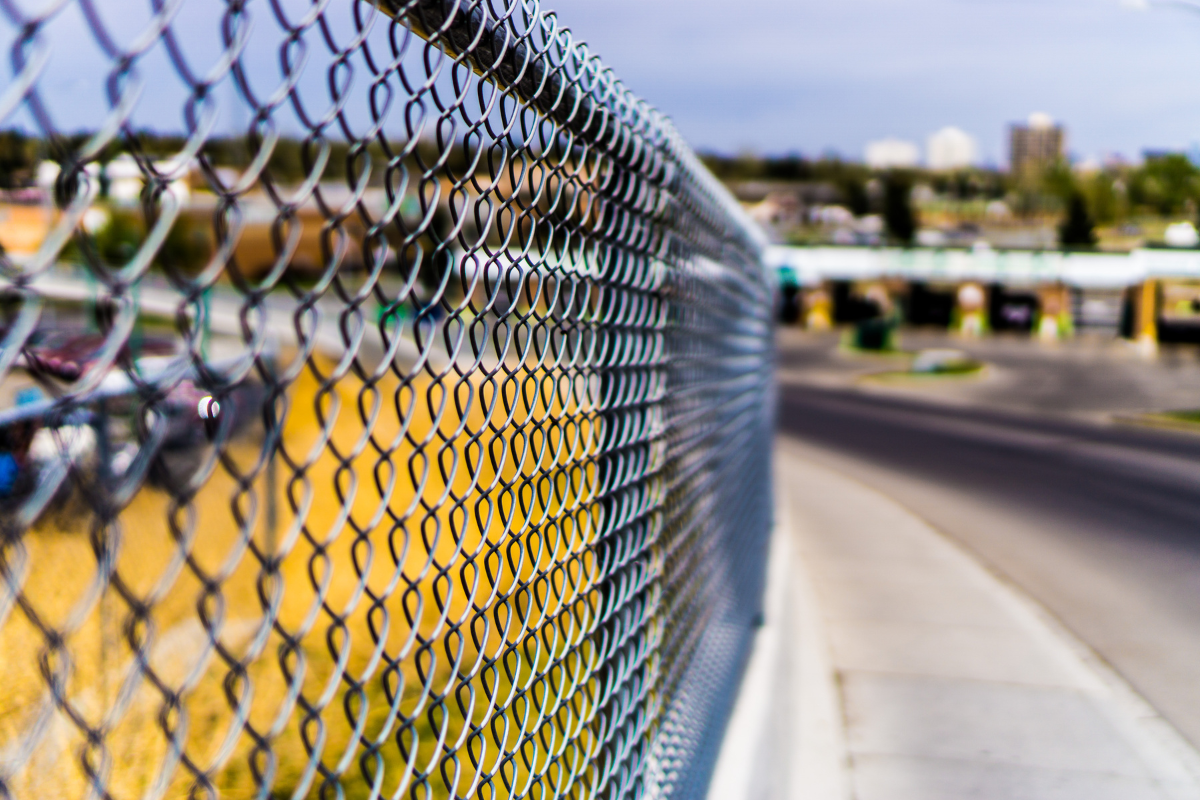
Chain link fencing has a plainspoken honesty to it. It keeps pets in and foot traffic out, it goes up quickly, and it does the job season after season with little drama. That functionality is why builders, facility managers, and homeowners lean on it. Yet a backyard is not a warehouse yard. You likely care about sightlines, neighbor relations, and how the fence ties into a deck, garden, or play area. The good news: the basic system is more flexible than it looks, and there are smart ways to make a chain link fence work hard and look intentional.
What follows comes from years of walking properties with tape measures, chalking post lines, and troubleshooting gates that sag after a winter freeze. I’ll cover choices that matter, where to spend and where to save, plus small details that separate a fence you tolerate from one you appreciate.
What you get with chain link
At its core, chain link is a grid of woven galvanized steel wire stretched between posts and rails. The strength comes from tension, not mass. That means the fabric can span long runs without bowing, corners stay square, and the whole assembly flexes a bit under wind without failing. Compared with privacy panels or masonry, it goes up fast and costs less per foot. For a typical backyard run of 120 to 200 feet, many homeowners can finish the install over a weekend if the post concrete gets a day to cure, though hiring a chain link fence contractor keeps the line straighter and takes the heavy lifting off your plate.
The drawbacks are familiar. Standard silver fabric offers little privacy. A plain metal fence can read “utility” if it isn’t paired with plants or thoughtful accents. And while chain link stands up well to weather, the weakest links are almost always the gate hardware and the bottom tension under pet pressure. Both are solvable with the right options.
Matching fence type to backyard goals
Every yard has a story. A sloped lawn with a lab that bolts for squirrels needs different details than a flat patio with raised beds and nosy raccoons. Be honest about your priorities.
If you want to corral kids and pets without closing off views, a 4 foot or 5 foot black vinyl coated system blends into the background, especially when set in front of landscaping. If privacy tops the list, you can add slats or choose composite inserts now or later. If security is the point, go taller, tighten the fabric gauge, and upgrade gates.
Think in zones, not just perimeters. I’ve installed many backyard fences with a mid-yard “interior fence” that divides a vegetable garden or dog run from the rest of the lawn. The material is the same, but the design can change: shorter height along the patio, taller along the alley, double gates near the driveway for mower access. Chain link excels at these transitions because it adapts at posts without custom carpentry.
Heights, gauges, and coatings that make a difference
Three decisions do more to shape performance than any others: fence height, wire gauge, and coating.
Height: In most neighborhoods, front yard fences cap at 3 to 4 feet while backyards allow 6 feet. For dogs that jump, 5 feet is the realistic minimum, 6 feet is safer. Over 6 feet often triggers permit scrutiny. If you back onto a public path, you may face additional restrictions. Measure grade changes. A fence that starts at 6 feet at the house and ends at 5 feet at the rear because the yard rises looks odd and invites complaints. Step sections cleanly at posts rather than trying to ride the slope with a diagonal top line.
Wire gauge: Cheaper systems use 11 or 11.5 gauge wire, which works fine for gentle use and short runs. For family backyards with active dogs, 9 gauge is the sweet spot. It resists bending and holds tension longer. If you expect contact sports near the fence or have a corner that takes wind like a sail, consider 8 gauge fabric on that side only. You can mix gauges within the same fence if the posts and rails can handle it.
Coating: Bare galvanized is durable and bright silver. Black vinyl coated fabric and framework cost more but visually recede, especially around foliage. Black also hides dirt, pollen, and the inevitable scuffs. Green blends well in wooded lots. Powder coated framework with matching vinyl fabric reads higher end and is the most common choice for residential curb appeal. If you opt for galvanized-only posts to save cost, use vinyl fabric at least. That single upgrade changes the look dramatically.
Post layout, depth, and concrete that actually holds
If chain link has a pain point, it’s almost always in the posts. Too shallow, not enough concrete, or poor alignment shows up quickly. Frost heave and summer dry spells will test your work. Most chain link fencing services follow a simple standard that works: posts set 2 to 3 feet deep, with at least one-third of the post length below grade. In cold regions with deep frost, 36 inches is common even for 4 foot fences.
For backyard runs, space line posts at 8 to 10 feet on center. Go tighter on slopes or where kids chase soccer balls, and widen to 10 feet only on straight, sheltered runs. Terminal posts at ends, corners, and gates should be thicker and set in larger footings. A line post might sit in a 8 to 10 inch diameter hole, while a terminal post deserves 10 to 12 inches and a bell-shaped base if soil is sandy. I like to shovel an inch or two of gravel under each post for drainage, then set the post on that with concrete poured to slightly above grade and sloped away to shed water. If you constantly battle frost heave, sleeve the footing with a smooth sonotube to reduce soil grip.
Use string lines high and low, and check plumb both ways as the concrete stiffens. A quarter inch out of plumb at ground level becomes a visible lean at 6 feet tall. If you are doing your own chain link fence installation, set one or two posts and let them cure solid, then use them to pull a perfectly straight taut line for the rest. That prevents the creeping wander that ruins a good job.
Rails, tension wire, and the unsung hardware
The fabric holds together with a series of simple parts that either make your life easy or slowly undo your work.
Top rail: Many homeowners skip the top rail and rely on top tension wire to save money. In a backyard, especially where kids play and branches fall, install a continuous top rail. It prevents sag, gives the fabric something rigid to tie to, and makes the whole fence feel finished. For a 6 foot fence, consider a mid-rail along alleys that see pressure, and always use a bottom tension wire to keep pets from pushing under.
Tension wire and bars: Feed tension bars through the end loops of the fabric at terminals, then tie the bar to the post with tension bands and bolts. Too often I see installers wrap the fabric around a post with tie wire. It looks sloppy and makes future chain link fence repair harder. A 7 gauge or 9 gauge bottom tension wire, properly clipped every foot or so, is a cheap insurance policy against digging and sagging.
Ties and spacing: Use ties every 12 to 18 inches along the top rail. On black coated systems, choose matching ties to avoid a checkerboard of silver dots. Stainless steel ties last the longest but cost more. For pets that climb, tighten the spacing at the top and consider crimped “twist” ends faced outward to discourage paws.
Gates: Spend money here. A welded steel gate frame with adjustable hinges and a lockable latch saves headaches. If your yard gates double as mower access, plan for 4 feet clear at minimum, 5 or 6 feet if you use a riding mower. A double leaf gate with a cane bolt is more forgiving on slopes. Add a concrete mow strip under wide gates to keep soil from rutting and to provide a clean stop for the cane bolt.
Privacy options that respect the look of your yard
Standard chain link is transparent. Privacy changes the character and the loads, so approach it with intention. Slats, screens, and hybrid designs each have a place.
Slats: Polyethylene slats weave through the mesh and come in dozens of colors. Budget slats can chalk and fade within a few summers. Better slats have UV inhibitors and thicker profiles. The finish looks utilitarian, but in https://juliuskwvg828.raidersfanteamshop.com/chain-link-fencing-services-that-fit-your-budget the right color it can echo a house’s trim or disappear behind hedges. Expect roughly 70 to 80 percent visual coverage, not total opacity.
Screens: Privacy screens or mesh wraps tie to the fence fabric. They go on fast, look uniform, and are easy to remove. They also catch wind like a sail. If you wrap 100 feet of fence with 90 percent screen in a breezy area and you didn’t upgrade terminal posts and bracing, you will see lean or racking after a storm. For screens, use heavier posts, brace corners with diagonal truss rods, and reduce the on-center spacing slightly.
Hybrid edges: Sometimes the smartest move is a short section of solid privacy near a patio or hot tub, with the rest in open chain link. Contractors will set a few wood or composite panels at the house side, then transition to chain link down the property line. Both can share aligned posts if planned correctly, or you can keep them independent with a small overlap.
Green privacy: Consider living privacy. Plant a double row of arborvitae or clumping bamboo just inside the fence line, and let the chain link keep pets off the roots. The fence disappears within two seasons. Drip irrigation and mulch keep maintenance low. This approach also softens the look for neighbors, which matters more than most people admit.
Color and style accents that pull the fence into the landscape
Black vinyl coated chain link is the workhorse for blending in. But you can push style further without abandoning practicality.
Framework color: Black posts and rails with black fabric is the cleanest residential look. Some clients choose dark bronze or green to echo trim or trees. Match fasteners to the framework so no bright specks grab attention.
Top treatments: Lining the top rail with a cedar cap, fastened with custom brackets, warms the look near patios. Keep the cap narrow to avoid creating a perch for raccoons or a tempting balance beam for kids. Alternatively, split rail wood along the top for 20 to 30 feet as a feature near the house, then transition back to standard chain link down the side lot.
Stone or concrete accents: A low, 8 to 10 inch concrete or stone curb under the fence serves three purposes: it deters digging, keeps mulch and gravel contained, and delivers a clean line that reads “intentional.” I often form and pour a small curb under gates and along trash enclosures only, not the entire run, to control cost.
Lighting: Low-voltage path lights aimed inward along the fence line create security without glare. Avoid mounting lights on the fence itself unless the posts are engineered for it. Stake lights or bollards a foot inside the fence achieve the same effect and simplify wiring.
Slope, trees, and other real-world obstacles
Most backyards are not billiard tables. Chain link adapts, but each condition has a best practice.
Slopes: On gentle slopes, you can “rake” the fabric so it follows the grade while the top rail stays level. On steeper sections, step the fence at posts. Stepping looks cleaner but requires careful measurement to avoid awkward gaps at the bottom. Use longer posts on the low side of steps to maintain embed depth.
Trees: Avoid drilling or attaching to living trees. Set posts as close as practical and bridge with fabric, leaving growth room. For mature trunks that straddle a property line, build around the drip line rather than hugging the bark. If roots prevent a post, shift the fence line and secure an offset panel back to a nearby terminal with a truss rod for stiffness.
Utilities: Call before you dig. Gas and cable lines are often 12 to 18 inches deep in backyards, sometimes less after years of landscaping. Shallow, direct-bury wires to sheds and lights are the worst culprits. Hand dig near markings. If you hit rock or a utility corridor and cannot sink a post to full depth, upsize the post diameter and footing and shorten the span to the next post to compensate.
Neighbors and property lines: Fence disputes sour neighborhoods. Pull the plat map and, if necessary, hire a surveyor for a tight fit. I’ve seen more arguments over a fence built a foot inside the owner’s lot than over a fence on the line, because that stray strip of lawn becomes ambiguous. If you intend to share cost with a neighbor, get the spec in writing: height, color, gate locations, and any privacy elements.
DIY or hire a chain link fence company
Plenty of handy homeowners can handle a backyard chain link fence. The tradeoffs are time, tools, and the learning curve for line and gate alignment. A professional chain link fence contractor brings ground rods, post pullers, and tampers, plus the muscle and experience to correct for small errors before they become visible problems. If your yard includes slopes, multiple gates, or privacy screen, pro installation reduces the risk of post lean and sag under wind.
When to DIY: Simple rectangle, level ground, one gate, and standard 4 or 5 foot height. Rent an auger for holes, set posts in concrete, and give yourself a second day for rail, fabric, and gates. Budget for extra ties and clamps. The cost savings can be 25 to 40 percent compared to full service.
When to hire: Tall fences at 6 feet, long runs over 150 feet, double gates, serious slopes, or any privacy screen. If the fence doubles as a pool barrier, code requirements for latch height and self-closing hinges apply. Chain link fencing services deal with those daily and carry the right hardware.
Pricing reality: Costs swing with steel markets and geography, but as a ballpark, a basic galvanized 4 foot residential fence might land in the $18 to $26 per foot installed range, while black vinyl at 5 or 6 feet with upgraded gates and 9 gauge fabric can run $28 to $45 per foot. Add privacy slats or screens, and the hardware upgrades needed for wind loads, and you can reach $50 per foot in exposed areas. Doing it yourself can trim those numbers by a third, but only if you value your time lightly and already own or can borrow tools.
Planning gates that stay square and swing freely
Gates are the only moving parts. They also bear the brunt of winter heave, summer swelling, and daily use. If you get them right, you sidestep 90 percent of service calls.
Gate posts: Oversize them. If line posts are 1 5/8 inches, make gate posts 2 1/2 inches or even 3 inches for a wide leaf. Seat them deeper with more concrete. Add rebar dowels if soil is sandy.
Hinges and latches: Use adjustable hinges that allow vertical and horizontal tweaks after the concrete cures. For pool code, choose self-closing hinges and a latch mounted at the required height with the latch side inside the yard. For standard yards, a gravity latch with a lockable hasp is simple and durable. Keep spares on hand. The small moving parts are the only pieces that might need replacement every few years.
Clearances: Leave a half inch to an inch of gap for seasonal movement at the latch side. If you pour a mow strip under a gate, embed a steel sleeve or set a removable pin for the cane bolt to drop into. That keeps the bolt from wallowing out a hole in the soil.
Pets: If you own dogs that test boundaries, run bottom tension wire tight across the gate opening and add a short strip of welded wire mesh along the bottom of the gate leaf to close any gap. Small breeds are escape artists; I’ve watched a terrier turn sideways and scoot under a two inch gap with enthusiasm.
Anchoring the bottom, discouraging digging, and trimming around
The bottom of the fence takes abuse from pets, string trimmers, and drifting mulch. You can handle all three with a few choices.
Bottom wire and selvedge: Order fabric with a knuckle top and twist bottom, then face the twisted side outward if pets climb. For diggers, add a second bottom tension wire to create a tighter lower edge, or trench in a 6 to 8 inch strip of fabric along the base, bent in an L shape toward the yard to create a buried apron. Backfill with soil and seed over it.
Mow strips and gravel: A narrow mow strip 8 inches wide eliminates the need to string trim right against the fabric, which is where most coatings get scuffed. An alternative is a shallow gravel border. Set edging, lay weed barrier, and fill with pea gravel or 3/8 inch chips. Plants won’t sneak under, and the fence stays cleaner.
Weed growth: Avoid tying landscape fabric to the fence. It traps moisture and dirt, then rust will follow, especially on uncoated ties. Keep plantings a foot or more inside and use drip lines so water doesn’t splash soil onto the fabric.
Color matching and aftermarket upgrades
Most chain link fence companies offer a menu of colors for vinyl coated fabric and powder coated framework. If you already have black aluminum railings or bronze light fixtures, carry that finish to the fence. The continuity matters.
Aftermarket add-ons worth considering include:
- A keyed or combination latch for side yard gates if delivery drivers or landscapers need periodic access. Hide a lockbox or mount it discreetly on the inside to avoid an industrial look. Removable fence panels near the driveway if you occasionally need to bring in a skid steer or bulk materials. Professionals build these as framed sections tied with panel clamps that can be loosened in minutes. Noise screens along busy roads. These do not turn chain link into a sound wall, but a proper acoustic mesh paired with dense evergreen planting noticeably softens high-frequency noise.
Keep upgrades simple and reversible. Chain link shines because it is modular, easy to service, and forgiving if you change your mind.
Maintenance and repair that actually prolongs life
A well-built chain link fence asks for little. A short spring checklist and occasional chain link fence repair keep it tight and square.
Walk the line at least once a year. Look for loose ties at the top rail, sagging sections where bottom clips have popped, and gate hinges that have drifted. If a post leans, check the footing. Minor leans can be corrected by loosening the rail clamps and tension bands, bracing the post back to plumb, and retightening. Significant leans usually trace back to shallow footings. In clay soils, heavy spring saturation weakens the hold and strong winds finish the job.
Surface rust on cut ends and hardware shows up first. On galvanized systems, hit bright cuts and scratched areas with cold galvanizing spray. On vinyl coated systems, keep a small bottle of matching touch-up paint for tiny nicks on rails and posts. It is cosmetic, but it protects. Replace worn latches before they fail. Gates that slam will slowly elongate hinge holes and chew through bolts.
Vegetation is both friend and foe. Vines look charming until they pull the top rail down. Train vines on separate trellis panels set inside the fence line and clip back anything that wraps the fabric. Ivy and wisteria are relentless climbers. If you love the look, give them their own support.
Snow loads are rarely an issue for chain link because snow passes through, but drifted snow against privacy screens is different. If a blizzard is forecast, consider loosening a few panels of screen where drifts pile in your yard, then reattach when the melt begins. A one hour pre-storm task can save a weekend of repairs.
Permits, property codes, and neighborly fences
Permitting for backyard chain link fences is usually straightforward, but assumptions lead to headaches. Many municipalities set a maximum backyard height of 6 feet, restrict front yard fences to 3 or 4 feet, and regulate sightlines near driveways for visibility. If the fence serves as a pool barrier, expect strict rules about latch height, gap size at the bottom, and gate self-closing hardware.
If you live in a homeowners association, check approved colors and materials before ordering. Black vinyl coated chain link often passes, while silver may not. Write down gate locations and heights clearly on your site plan so you do not have to argue interpretations later.
It never hurts to show a neighbor the plan. I have seen small gestures like matching their fence color or aligning top lines avoid years of side-eye. If a neighbor has a garden that leans against your shared boundary, ask for a small offset so you can work on your side in the future. A six inch strip is nothing today, but it matters when you have to re-tension fabric or replace a line post.
Choosing a chain link fence contractor without drama
If you decide to hire, vet the chain link fence company the way you would a roofer. Ask to see jobs that are 3 to 5 years old, not just last month’s glossy photos. Walk a line and look at gate hang, tie spacing, and whether bottom tension wire is tight. Ask what gauge fabric they bid by default and what post diameters they use at gates. A lower number gauge means thicker wire; a bigger diameter post resists lean.
Good contractors talk you out of shiny but unwise ideas, like wrapping 200 feet of privacy screen onto a fence built for open fabric, or installing a double leaf gate without upsizing the hinge posts. They should pull permits where required, call in utility locates, and provide a clear timeline. Warranties vary, but labor warranties of one to two years and material warranties from the manufacturer of 10 years on coatings are common. Get the warranty in writing with exclusions spelled out.
If cost is tight, ask about a hybrid approach: the contractor sets and plumbs posts and installs rails, you hang fabric and ties, and they return to hang gates and check tension. You save on labor while keeping the tricky parts professional.
A few designs that punch above their cost
Simple touches can make a chain link fence feel tailored without bloating the budget.
A black 5 foot fence with a mid-rail along the patio side only protects planters from kids’ balls and adds a horizontal line that echoes deck railings. From the yard, that mid-rail is invisible.
A 6 foot fence along the back lot line with privacy slats in a muted charcoal, softened with a serpentine bed of tall grasses and hydrangeas inside, reads structured rather than industrial. The plantings create depth so the fence recedes.
A 4 foot interior chain link fence, set 12 feet from a property fence, creates a dog run with decomposed granite footing and a hose bib. The main yard stays clean, the dog has a track, and the outer fence can be lighter gauge.
A side yard service zone behind the garage, enclosed with chain link and a simple double gate, hides bins and compost with airflow. Add a cedar screen on the house-facing portion only for visual warmth where it matters.
When repair beats replacement
Not every tired fence needs a full tear-out. Chain link is modular, which makes targeted chain link fence repair sensible.
If the fabric is intact but posts lean, reset posts and reuse the fabric. If a gate sags, replace hinges and latch, then square the frame with a turnbuckle brace. If coatings have failed on a few rails, swap those lengths and keep the rest. Even privacy slats can be replaced in sections to refresh the look without redoing the structure.
Replacement makes sense when multiple elements fail at once: rusted posts at grade, badly stretched fabric, gate frames bent beyond true, and hardware corroded. At that point, labor to salvage outweighed by the time to install new. Recycle old steel where possible; many yards accept chain link fabric and posts.
A practical path from idea to fence
Turning ideas into a finished fence is straightforward if you map the steps and sequence concrete work early.
- Sketch the yard with rough dimensions, mark gates, and note slopes and obstacles. Decide where privacy is wanted versus open views. Choose height, gauge, and color for fabric and framework. Decide on top rail, mid-rail at key sections, and bottom tension wire. Upgrade gate hardware now rather than later. Pull permits if required, call utility locates, and speak with neighbors at property lines. Order materials with 10 to 15 percent extra ties and clips for mistakes and future fixes. Set terminal posts first, let concrete cure solid, pull tight lines, and set line posts. Install rails, tension wire, and hang fabric with tension bars at terminals. Tie top, then clip bottom.
This sequence leaves room for weather delays and keeps alignment true. Whether you tackle it yourself or bring in a pro, the details are the same.
A backyard chain link fence earns its keep through reliability, not flash. Yet with the right combination of color, clean lines, sturdy gates, and smart privacy, it can do more than just mark a boundary. It can frame your yard without shouting, hold up to years of family life, and stay easy to live with. That is the quiet value of chain link, and why, after installing every type of fence under the sun, I still recommend it for most backyards that need function first and a look that grows nicer with time.
Southern Prestige
Address: 120 Mardi Gras Rd, Carencro, LA 70520
Phone: (337) 322-4261
Website: https://www.southernprestigefence.com/