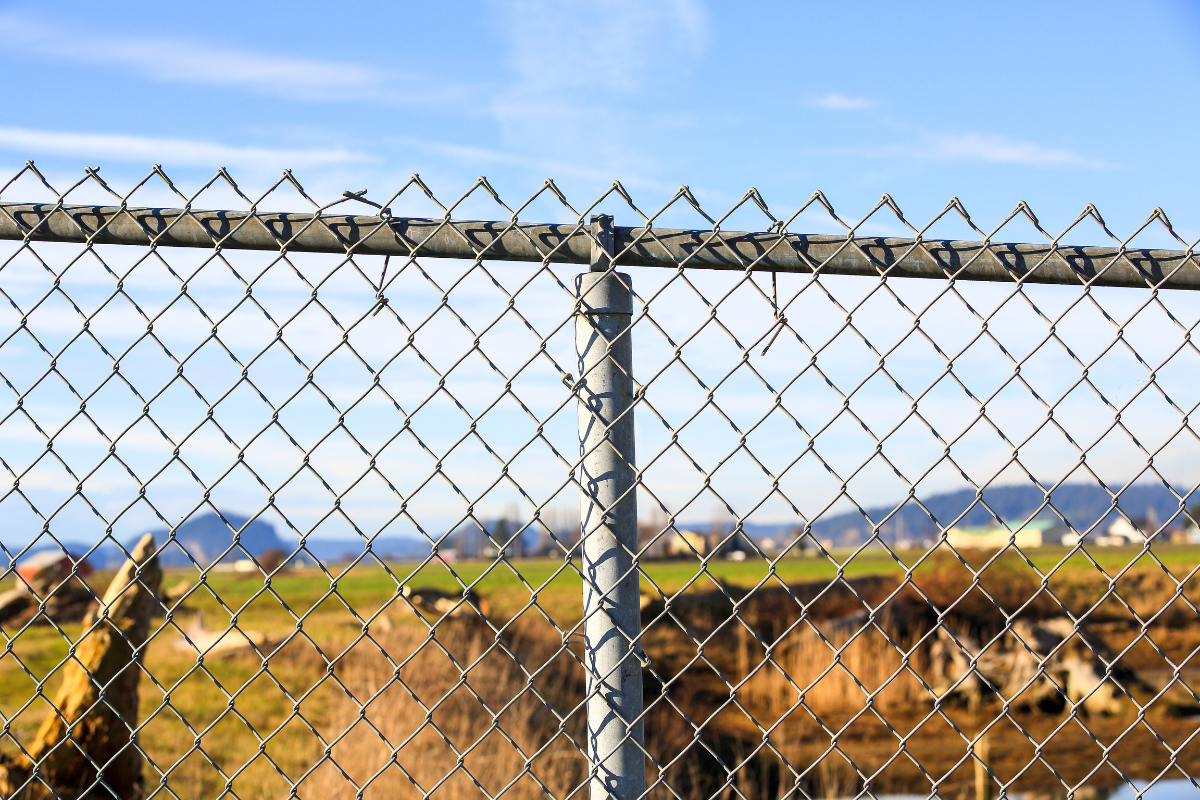
Chain link fencing earns its keep by doing the simple things well. It marks boundaries, keeps pets and equipment where they belong, and gives a clean, unobtrusive line to your property. With galvanization and proper installation, it is one of the most cost-effective barriers you can buy. The flip side is that small issues compound if they’re ignored. A loose tie becomes a sagging stretch, a minor bend at the bottom rail invites mower damage, and a small rust spot at a terminal post can grow into a structural problem. Thoughtful chain link fence repair, done at the right time and with the right parts, pays for itself by adding years to the system’s life.
Where chain link fences actually fail
Most fences don’t fail in the middle of a panel. Problems start at transitions and tension points, or where metal meets soil and concrete. After two decades of servicing chain link fencing, I see the same culprits again and again.
Gate assemblies get the most abuse. Hinges loosen, latch posts go out of plumb, and the frame sags as the welds and bolts age. If a gate drags for long, it twists the hinge post and puts extra load on the latch. You end up chasing the problem across components.
Bottom lines are vulnerable wherever a trimmer or snow shovel reaches. The lower selvage takes hits, tension wire breaks, and the bottom of the fabric gets pulled up. Once that line lifts, dogs and wind finish the job. I have seen entire 50 foot runs opened in a single storm because a 6 inch section was compromised.
Posts at concrete transitions are another chronic weak point. Water migrates along the interface between slab and soil, and winter frost heave can push the concrete footing. If the contractor cut corners during chain link fence installation and set posts too shallow or skipped a proper bell on the footing, posts begin to lean within a few seasons.
Finally, coating failure starts small. Even galvanized steel suffers where the zinc is thin or gets abraded. Near coastal air or in industrial zones, the combination of salt and particulates bites into metal. A few orange freckles around a knuckle or rail clamp are your early warning.
Quick triage versus full repair
A chain link fence company will sometimes offer a temporary fix. That might be appropriate when you are waiting on parts or when a storm is on the way. I keep a roll of 9 gauge tie wire and a handful of rail clamps in the truck for exactly that reason. A quick tie can hold fabric to the top rail and stop wind whipping. A temporary ground anchor can pull a bowed line post back into alignment until a concrete pour.
Shortcuts have a cost. Temporary ties bite into the galvanization and make future rust more likely. Over-tensioning to mask a sag puts stress on terminal posts. A good chain link fence contractor will tell you when a stopgap makes sense and when it is better to schedule a proper repair. I tend to stabilize the area, prevent further damage, then come back with correct parts and enough time to do it right.
Anatomy of a durable repair
You don’t need to rebuild a fence to extend its life, but the details matter. Whether you handle a small repair yourself or hire chain link fencing services, insist on these basics.
Fabric alignment dictates everything else. The diamond pattern must stay consistent from panel to panel. When you splice in new fabric, turn the hand true to match the original twist. I’ve watched capable carpenters struggle here, cutting and hog ringing misaligned diamonds that never look right. Take an extra minute to unwind a weave, remove a single picket wire in a clean line, then spiral in the replacement.
Top rails carry lateral load. If your top rail has a kink from a fallen limb, replace the section rather than trying to bend it back. Cold bending creates a weak spot that buckles under tension. Use a swaged rail section or a clamp sleeve that matches the original diameter and gauge. On commercial runs, top rails are often 1.66 inch outer diameter; many residential fences use 1.315 inch. Measure and match. Mixing sizes makes connections sloppy and invites chatter in the wind.
Posts must be vertical and anchored. For leaning line posts in soil, a straightforward fix is to plumb the post and pour a new concrete collar, roughly 8 to 10 inches diameter and 18 to 24 inches deep for common residential heights. If frost depth is significant in your area, seat the collar below that line. For loose terminal posts, expect a more invasive repair. You may need to excavate and reset the footing to a proper 30 to 36 inches, sometimes deeper on taller fences. If a slab butts into the post, core drilling and a sonotube pour through the slab solves the movement without cutting the concrete to pieces.
Tension components do the heavy lifting. Replace worn tension bars and bands instead of reusing them. Thin, bent bands won’t deliver even pressure and will creep. I favor a count of one tension band per foot of fence height, plus one. On a 6 foot fence, that means seven bands at the terminal post. It seems fussy, but uniform load makes a difference during storms.
Hardware quality is not flashy, but it is everything. Use galvanized or stainless hardware, matched to the original grade. Zinc-coated carriage bolts may be fine for residential runs; hot-dip galvanization pays off in rough environments. On coastal or poolside installations, stepping up to stainless hinges and latches is not overkill. The price delta is small compared to the cost of a return trip.
Rust: how much is too much
Surface rust on chain link fencing looks worse than it behaves, at least at first. If you can scrape a spot with a wire brush and still feel solid metal, you can arrest the corrosion with a cold galvanizing compound. Several spray products with high zinc content, 90 percent or more by weight, bond well to a prepared surface. Clean, dry, and wipe with solvent before you spray. Don’t paint over loose scale or dirty steel and expect miracles.
Pitting around welds or hardware is more troubling. When a rail end cup rusts at the rivet hole, the remaining metal goes thin and deforms under load. I replace the cup and hardware instead of patching. On posts, look for swelling or a seam that has opened. If you can poke through with a screwdriver, the post is on borrowed time. Budget for replacement.
Galvanized fabric can be recoated in place, but coating does nothing for metal loss. Once the wire gauge has thinned, it has thinned. If more than a third of a panel shows active rust, I recommend replacing the fabric in that section. The labor to prep and paint can surpass the cost of new fabric, and you still have weak metal beneath the coating.
Gates: hinges, latches, and geometry
Gates expose sloppy work. A well-hung gate swings with two fingers, clears the ground by an inch or two, and meets the latch squarely. Achieving that takes attention to geometry, not just hardware swaps.
Start with the hinge post. If it is out of plumb, fix that first. A shim or a bigger hinge will not save a crooked post. With the post plumb, set your hinge spacing to distribute load. I keep at least 6 inches from the top of the gate frame to the upper hinge and a similar margin at the bottom. Reuse holes only if they land in the right place.
Weight and sag go hand in hand. A 4 foot wide residential gate in standard fabric weighs in the 20 to 30 pound range, but add a windscreen and you double the effective load during a gust. Self-closing hinges work on pool enclosures because they are sized generously and installed on true posts. On longer gates, a drop rod at the latch end cuts stress in half when the gate is parked.
Latches deserve more thought than they get. For walk gates, a simple gravity latch works if the posts are truly parallel. On a drive gate, use a positive engagement latch and consider a ground stop or center latch plate that holds both leaves under wind load. When chain link fencing must secure valuable equipment, step up to lockable latches with a shrouded hasp.
Don’t forget the diagonal brace. On larger frames, a tension wire or a welded diagonal from the bottom hinge side up to the latch side keeps the rectangle square. If your frame doesn’t have one, retrofit a tension cable with proper turnbuckles. It is a small addition that keeps the gate swinging true for years.
Working around slopes and irregular terrain
Flat isn’t the norm. Many chain link fence installations traverse a slope, a drainage swale, or landscaping beds. Repairs in these areas need more nuance than a straight stretch on level ground.
On a consistent slope, racking the fabric is ideal. You keep the top and bottom lines parallel to the ground while maintaining diamond shape. If the original installer stair-stepped the fence instead of racking, matching that pattern during repair avoids big gaps at the bottom. Where pets are involved, bottom gaps create escape routes. Add a tension wire and hog rings to close those openings.
At swales, expect soft soil and seasonal movement. Replace or add longer posts with deeper footings. You can also add a third rail at mid-height to stiffen a panel prone to flexing. In areas that flood, use heavier gauge fabric and open a bay with a removable bottom section that you can detach when water rises, to relieve hydrostatic pressure. It prevents the fabric from ballooning and stretching permanently.
Along a driveway or path, mower and blower impacts are a fact of life. Elevate the bottom of the fabric slightly and install a sacrificial edger strip of treated wood or a narrow poured curb. That small buffer keeps trimmer line off the wire and makes repairs less frequent.
When replacement outcompetes repair
The right answer is not always to fix what’s there. A thoughtful chain link fence contractor will lay out options and costs in plain numbers. Here are common situations where replacement is the better investment.
If multiple components are at end of life. When the fabric is thin with rust, the top rail is dimpled every few feet, and a handful of posts are leaning, patching becomes a game of whack-a-mole. You pay for mobilization and labor again and again. Dropping in a new run with modern materials sets a clean baseline.
If the geometry is flawed. I see fences installed without proper bracing at corners and gates, or lines that wander because the original layout was rushed. Straightening these by piecemeal repairs is painful. A reset allows you to correct alignment, set proper terminal posts, and establish true tension.
If use has changed. A light residential fence that worked for a quiet yard may not stand up to a commercial use or to a large dog. Upgrading to heavier gauge fabric, thicker posts, and reinforced gates meets the new reality better than bolting more hardware to an underbuilt system.
If compliance matters. Pool barriers, school perimeters, and some commercial sites carry specific codes about height, clearance, and hardware. A patch on a noncompliant fence still leaves you out of spec. Installing a compliant system avoids risk.
Materials, gauges, and coatings that actually last
Chain link fencing comes in a range of materials and gauges, and the differences are not just academic. Most residential fabric is 11 or 11.5 gauge galvanized. Step up to 9 gauge for higher durability, especially where kids climb or sports balls hammer the mesh. On busy facilities, 6 gauge fabric is common on the lower portions of the fence to resist deformation.
Galvanization varies too. Standard galvanized fabric is fine for many yards, but https://jaidenlgge130.trexgame.net/storm-damage-chain-link-fence-repair-specialists in coastal or high-salt environments, aluminized steel or a vinyl-coated fabric over galvanized core buys extra years. The vinyl layer protects against abrasion and offers a finished look. It is not a cure-all, though. Once the coating is cut or nicked, corrosion starts at the wound. Keep touch-up kits on hand and train maintenance staff to use them.
For rails and posts, wall thickness matters more than you think. Schedule 20 can work on residential lines away from traffic. Schedule 40, or commercial grade posts with equivalent wall thickness, hold up far better where impacts and wind loads are higher. I still see undersized posts creeping into bids because the numbers look better on paper. That savings evaporates with the first major storm.
Hardware needs to match the environment. Hot-dip galvanized bands, caps, and clamps endure longer than electro-galvanized pieces. Stainless in coastal zones is not extravagance, it is smart. I have replaced zinc hardware two or three times in the life of a single stainless latch. Over a decade, stainless is the cheaper choice.
Preventive maintenance that stretches your budget
You do not need a full-time facilities crew to keep a fence healthy. A simple seasonal routine catches issues early, when they are easy to fix.
- Walk the line after winter and after severe storms. Sight down rails for kinks, wiggle line posts to check for movement, and watch gates swing. Look for missing ties and bands. Note any orange rust spots before they spread. Keep vegetation off the fence. Vines look quaint until they pull the fabric out of square and trap moisture against the metal. Trim hedges so they do not bear on the mesh. Where ivy has already taken hold, cut it at the base and let it die back before removal to protect the coating.
I keep spare parts organized in small bins: tie wire in the same gauge as the fabric, a handful of rail ends, caps, tension bands, and a couple of sleeves. With those, a modest tool roll, and a single afternoon, you can solve most minor problems before they become expensive.
Safety and tools that make the work cleaner
Chain link fence repair is straightforward, but sharp edges and tensioned wire can surprise people. Gloves with cut resistance, safety glasses, and a snug long-sleeve shirt keep the blood inside. I like a dedicated fence plier with a curved jaw for twisting ties, a nut driver matched to your carriage bolts, and a hacksaw or cut-off tool for clean cuts. A come-along or ratchet strap helps pull fabric taut when you are working solo. When you unwind a weave to remove a panel, capture the cut wire ends with tape so they do not spring.
On concrete work, mark utilities and give holes time to cure. A quick-setting mix is tempting, but full strength requires curing beyond the initial set. Brace your posts until the concrete has truly hardened. I have seen too many good posts pushed out of alignment by a careless bump because the crew was in a hurry to hang fabric.
Choosing the right partner for the job
Not every chain link fence company invests in repair expertise. Some crews focus on new installs, then treat repairs as fill-in work. Ask for photos of similar repairs and for details about their standard hardware and material gauges. A good chain link fence contractor will talk comfortably about tension bands per foot, post depth relative to frost line, and how they handle transitions to existing work so the new section integrates cleanly.
Get clear pricing on materials and labor, and ask whether the company warrants repair work. A one year workmanship warranty is common and signals that the contractor expects their fix to hold.
Finally, check whether the team routinely offers chain link fencing services beyond installation. Crews that handle both chain link fence installation and repair bring a full set of tools and parts and can pivot if they find surprises in the field.
Real-world examples that show the math
A manufacturing client had a 180 foot run along a loading area. Trucks brushed the fence for years, leaving a top rail with five kinks, thin fabric, and three leaning line posts. The first bid they received proposed replacing the entire run. We evaluated and broke the job into targeted repairs: replace 60 feet of fabric where rust was concentrated, swap the worst rail sections with sleeves, reset the three posts with deeper footings and a proper bell, then add a mid-rail across the most impacted zone. The repair cost landed at about 40 percent of a full replacement and extended the fence life by five to seven years. When they later reconfigured the loading bay, they invested in a heavier grade fence knowing they had squeezed fair value from the old one.
At a community park, the outfield fence sagged after a heavy snow year. The posts were sound, but the top ties had popped across a long stretch, and the top rail had a shallow bow. We stabilized the bow with a sleeve and fresh rail, added heavier gauge ties on a tighter spacing, and stitched a few small tears in the fabric by replacing single picket wires. Instead of a full re-fabric, the park paid for a day of labor and a modest parts list and had a tidy fence before opening day.
On a residential pool enclosure, a simple gate fix changed daily life. The original installation had a gate that just met code, but the latch missed the strike by a quarter inch as the posts settled. The owners were fighting the latch every time they carried towels and a cooler. We reset the latch post with a proper footing, added self-closing hinges sized for the gate weight, and installed a lockable latch rated for pool codes. What seemed like a small repair eliminated a real risk and removed daily frustration.
Budgeting for the long haul
Budget line items for chain link fencing often focus on installation, with repairs treated as ad hoc costs. A long-lived fence benefits from a simple plan: a small annual maintenance budget, a reserve for gate hardware upgrades every five to seven years, and a midlife refresh of the most exposed sections. If you plan for that cadence, you make better choices early, such as specifying heavy-use zones with thicker posts and fabric, and you avoid emergency premiums when something fails at a bad time.
If the fence protects critical operations, measure the cost of downtime. A disabled gate on a distribution yard can stall trucks. In those environments, keeping a few spare hinges, a latch kit, and pre-cut rail sleeves on site reduces response time. Your chain link fence contractor can help assemble a kit tailored to your system.
The quiet value of doing it right
Chain link fencing looks simple. That is part of its charm. Beneath that simplicity is a system of tension, geometry, and materials that either work together smoothly or fight each other until something gives. Quality chain link fence repair is less about heroics and more about small, smart choices: matching materials, respecting tension, anchoring posts correctly, and not skimping on the pieces you do not see from the curb.
Handled that way, a fence that was supposed to last fifteen years will see twenty. Gates swing cleanly. Dogs stay in. Equipment stays safe. You spend your budget on planned improvements instead of emergency calls. Whether you use a seasoned chain link fence company for the work or manage a capable in-house team, a disciplined approach to repair extends fence life in a way you can see, feel, and count.
Southern Prestige
Address: 120 Mardi Gras Rd, Carencro, LA 70520
Phone: (337) 322-4261
Website: https://www.southernprestigefence.com/