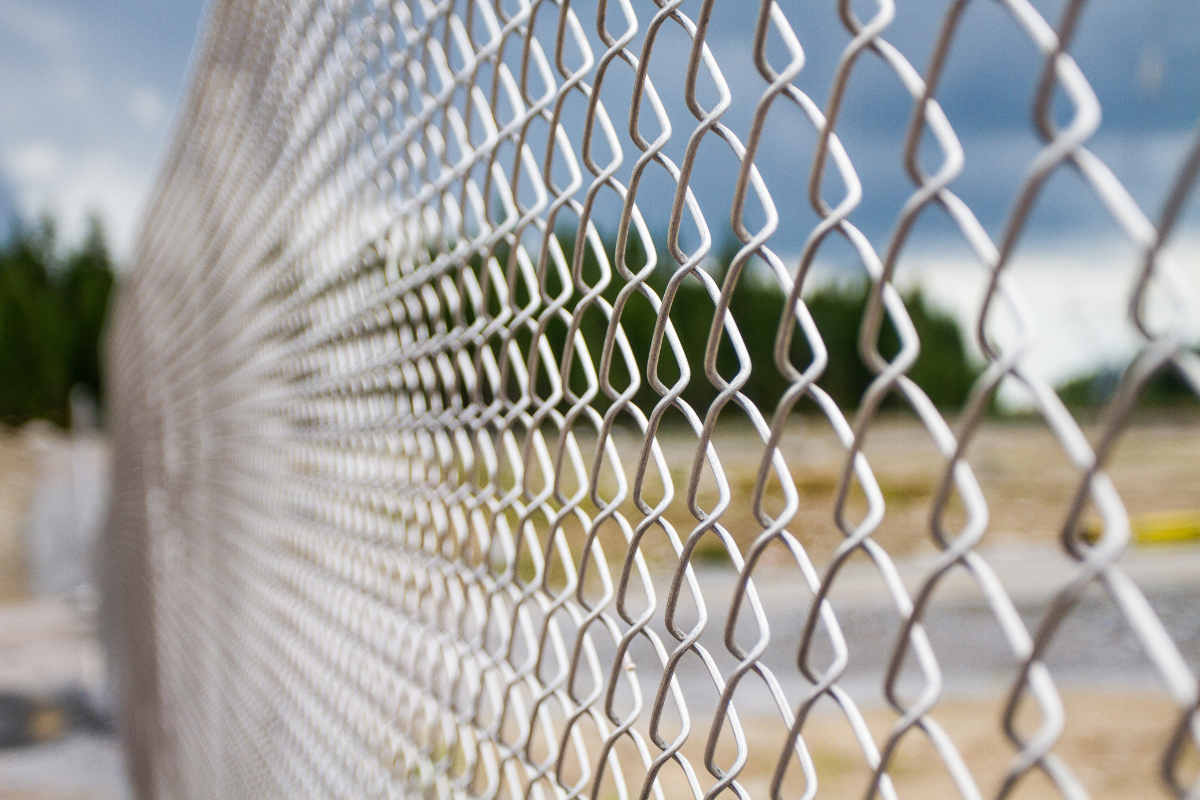
Tennis courts live and die by the details you barely notice when a match runs smoothly. Surface pace, wind patterns, sight lines, and how a ball reacts at full speed all hinge on background elements. Perimeter fencing falls into that quiet category. It is not just a boundary. Done properly, it’s a safety system, a ball containment strategy, a backdrop that helps players track spin, and a piece of infrastructure that endures sun, rain, and the occasional rage-hit forehand.
A general fencing crew can surround a backyard, but tennis courts ask for a different skill set. The geometry is tighter, the stresses are larger, and the expectations of coaches and players are sharper. An experienced chain link fence contractor who specializes in sports venues brings an eye for clearances, hardware selection, wind loading, and finish details that pay off for years.
Why chain link makes sense for tennis
Chain link fencing is not the only option, yet it remains the default on municipal and private courts for good reasons. It balances function, durability, cost, and maintenance better than almost every alternative. The open weave controls balls while allowing airflow. The structure can flex a little under impact, then return to form. When a post needs replacement, a trained crew can handle the swap without tearing up the playing surface.
For clients comparing systems, the picture often resolves around three practical questions. How well does the fence keep balls in play and people safe. How much maintenance will it demand over a decade. How does it look through different seasons. With the right material choices and installation techniques, chain link ticks those boxes while staying budget-friendly.
The overlooked technicalities that matter on court
On paper, a perimeter is a rectangle with a net in the middle. On site, the fence must integrate gates that do not bind, sight screens that do not sail in the wind, and transitions at corners that resist torsion. A specialized chain link fence company treats these points as critical, not afterthoughts.
Height and layout set the tone. Standard tennis layouts use 10 to 12 feet on the ends, where lobs and serves clear high, and 8 to 10 feet along the sides. Multi-court complexes often step heights between adjacent courts to balance containment with airflow. Within those heights, mesh size matters. A 1¾ inch mesh remains the norm because it stops balls reliably without a heavy visual profile. Twisted selvage on top, knuckled on bottom, or vice versa, can be specified to reduce snag points at hand height and minimize injury risk on the lower run.
Wind is the constant adversary. A court wrapped in full-height privacy screen strains like a sail. When wind picks up above 25 to 30 mph, poorly braced fences rack and pull at concrete footings. Experienced crews account for the local wind zone, soil type, and fence accessories. That means post spacing, diameter, wall thickness, and embed depth are calculated, not guessed. The difference between a 2⅞ inch terminal post with a .120 wall and a light residential tube shows up in the first spring storm.
Gates deserve more attention than they get. A properly hung gate clears drainage patterns, swings lightly with one hand, and self-closes to keep balls in. It also holds up when a team rolls a cart of ball machines through twice a day. Hardware choices like industrial-grade hinges, welded latch guards, and adjustable tension rods save headaches later.
Material choices that hold up under sun and sweat
All chain link is not equal. Three upgrades pay for themselves in tennis applications: galvanized frameworks with appropriate zinc coating, mesh fabric with GBW or GAW finishes, and durable coatings when clients want color.
Post and rail stock should be hot-dip galvanized, inside and out, with a coating weight that matches the environment. Coastal projects and high-chloride zones near winter roads corrode steel faster than inland parks. A specialized chain link fence contractor will recommend thicker wall pipe and heavier zinc where salt is a factor.
The fabric choice is often between galvanized before weaving (GBW) and galvanized after weaving (GAW). GAW typically offers superior corrosion resistance because the wire is protected even at the knuckles and twists created during weaving. For courts that rely on screens, coated fabric in black or dark green adds two benefits: it reduces glare and creates a visually calm background. A true PVC or bonded polymer coating over galvanized core, not just a paint dip, resists cracking under UV.
Framework coatings matter if the owner wants a uniform color. Factory-applied polyester powder coats perform well, provided the underlying galvanization is sound and the installer avoids field cuts that leave raw edges exposed. When cuts are unavoidable, skilled crews seal those edges with zinc-rich paints and compatible top coats.
Hardware is the quiet hero. Tension bands, brace bands, carriage bolts, truss rods, and rail ends should match the corrosion protection of the frame. Cut-rate hardware undermines the whole system. So does skipping diagonal braces at terminals. On courts with long straight runs, continuous top rail plus tension wire at the bottom reduces sag and keeps fabric tight across seasons.
Installation that respects the playing surface and the schedule
The best chain link fencing services understand that tennis courts are living facilities. The crew’s work should protect the acrylic or cushioned playing surface, keep dust out of the windscreens and nets, and finish on schedule to avoid disrupting programming.
Layout starts with string lines and confirmed court dimensions. Even small deviations show up when you step back. We measure corner-to-corner diagonals to validate square, then locate posts with offsets that respect gates, drainage, and any future lighting bases. Before drilling, the utility locate is non-negotiable. Private conduit for lighting and irrigation often crosses near the perimeter, and the last thing anyone needs is a cut line.
Footings are common failure points if undersized or poorly poured. For 10 to 12 foot fences, expect hole diameters around 10 to 12 inches and depths in the 36 to 48 inch range, deeper where frost or wind exposure dictates more embedment. We bell the bottom in expansive clays, use rebar cages where code demands, and set posts plumb with wet concrete, checking again after initial set. A template keeps gate pairs true to width.
Tension matters more than most clients realize. Fabric gets stretched using come-alongs and proper stretcher bars, not by hooking to the mesh itself with a chain. We chase a consistent diamond orientation, then tie at appropriate spacing: closer ties at the top rail and through corners, wider spacing mid-span. Bottom tension wire discourages push-outs and helps contain balls that ride the asphalt lip.
Where windscreens are planned, we install heavy-duty grommeted screens with breakaway zip ties or lacing that can give under gusts. We also leave gaps or cutouts near corners to bleed off pressure. In regions with seasonal storms, owners appreciate removable screens they can pull down quickly. That practice alone doubles the life of both screen and fence.
Ball behavior, backgrounds, and the player’s eye
From the player’s side, fencing supports the rhythm of a rally. A smooth, taut mesh returns balls predictably. Loose fabric creates dead spots where balls die or shoot off at odd angles. That predictability matters for drills. We keep that in mind while tightening the mesh and verifying tie frequency.
Color choice impacts visibility more than most owners expect. Black coated chain link often wins because it recedes and reduces glare, especially when paired with black or dark green windscreens. Shiny galvanized mesh behind a sunlit baseline can wash out contrast, making it hard to read topspin. On courts where late afternoon play is common, a darker backdrop saves eyes and points.
Sight lines also depend on fence height steps and gate placement. If a player glances up during a serve toss and catches movement on a busy walkway through a see-through gate, concentration breaks. We often steer clients toward solid lower gate panels or strategically placed sight screens near gate openings to keep distractions down.
Safety, codes, and the small decisions that prevent injuries
A tennis court fence keeps balls in, but just as importantly, it keeps bodies safe. That starts with clearances at gates, smooth edges, and thoughtful hardware placement. Twisted selvage on top can snag. Many owners prefer knuckled top and bottom for public courts to reduce the risk of cuts. Where additional height is needed at the ends, extension arms create an angled return without adding a rigid top that invites climbing.
Local codes specify fence heights, setbacks, and sometimes the use of safety caps. A specialized chain link fence contractor knows the local amendments and how they intersect with USTA and school district guidelines. For example, youth facilities or schools may require panic hardware on certain gates for egress, while private clubs prefer keyed lever latches. We specify self-closing hinges that meet ADA clearance where needed and set thresholds flush to avoid trip hazards.
Drainage is a quiet safety issue. If the grade falls toward a gate, you can end up with a slick algae stripe after rains. We set gates above the low point, adjust slab elevations when possible, and, where necessary, add small trench drains outside the swing arc to keep water out of the court.
Weatherproofing and long-term durability
No fence lives indoors. Sun bakes coatings, wind tests connections, and winter cycles claw at concrete. A durable chain link fence installation anticipates those cycles. We tighten ties and check truss rods after the first real temperature swing, typically one to two months after install. On screened courts in gusty zones, we recommend seasonal screen removal or at least rolling up the lower third before storms. Owners who follow that routine see fence structures that look right even at year ten.
Coastal clients face salt spray. In those zones, we upgrade to heavier zinc coatings, specify GAW fabric, and use stainless or hot-dip galvanized hardware throughout. We also rinse screens and hardware as part of seasonal maintenance. Inland, ultraviolet exposure is the main enemy. True PVC-coated fabrics hold color better than painted alternatives, and modern polyester powder on rails and posts resists chalking if the galvanization beneath is complete.
Concrete footings crack when water gets in and freezes. Sloped tops and a slight dome shed water. We avoid finishing footings below grade unless the design calls for a grass cover, in which case a compacted collar helps keep weeds from undermining the base.
When repairs beat replacement, and when they do not
Even well-built fences take hits. A delivery truck backs into a corner post. A storm rips a screen and stretches a run of mesh. The art of chain link fence repair lies in restoring strength and appearance without tearing down the whole side. An experienced chain link fence contractor keeps a stock of common fabrics, rails, tension bars, and sleeves.
Rails can be sleeved and spliced if a section kinks. A creased top rail near mid-span is a simple replacement. Terminal posts that have shifted inside the footing call for more care. If the concrete is sound, we can plumb the post and grout with non-shrink, then add a diagonal brace to the next line post. Where the footing has rotated or cracked, we extract and repour. It is better to fix a base right once than to chase fence sag every season.
Mesh repairs should avoid weaving in mismatched fabric. Color and wire gauge need to match, otherwise the patch telegraphs from a distance. For black or green systems, UV-faded fabric requires a careful eye to color. Owners who keep spare fabric from the original chain link fence installation appreciate not having to hunt for a match five years later.
There is a point where replacement makes sense. If multiple line posts lean, fabric sags in waves, and hardware shows red rust across the run, incremental fixes only postpone the inevitable. Rebuilding a long wall gives you a unified look and better performance. It also lets you upgrade to current hardware standards and rework gates to handle modern traffic, such as wider carts for maintenance gear.
Windscreens, privacy, and airflow trade-offs
Most tennis programs prefer some level of screening. It tames background movement and reduces wind gusts that flip shots off the frame. Yet every square foot of screen increases load. A good chain link fence company will help you choose the right porosity and layout.
Solid vinyl screens create a calm visual field, but they trap wind. In high-wind markets, we recommend 70 to 80 percent privacy screens rather than full solids. We cut wind windows near corners and along long runs, and we leave a small gap at the bottom to reduce sail effect. We also use breakaway fasteners at intervals so that in extreme gusts, the screen sacrifices a few ties instead https://lanevsqy502.tearosediner.net/enhance-security-with-commercial-chain-link-fence-installation of tearing the fence.
Screens do best with a maintenance plan. After dusty seasons, a low-pressure wash keeps pores open. Where screens hold moisture against the mesh, we check for algae and address it before it becomes slippery near gates.
Gates that never get in the way
Players notice gates more than they realize. A gate that sticks, scrapes, or slams becomes an annoyance and a safety risk. The hinge choice is the backbone. Heavy-duty strap hinges with grease fittings outperform small residential hinges in constant-use settings. We set hinge spacing to prevent sag, use through-bolted hardware, and weld hinge tabs where design allows for added security.
Latch selection depends on access control. Public parks lean on simple latch designs that self-catch and can accept padlocks after hours. Clubs often want lever handles with closers that pull the gate gently shut. If a facility runs tournaments, we think about traffic flow. Two gates per court, opposite corners, help players transition without crossing behind active points. Where storage closets sit off the court, wide double gates make equipment changes painless.
Thresholds deserve detail. Courts built above surrounding grade need proper ramping outside the gate so players do not step down abruptly. If the court sits flush with the landscape, we keep the bottom gate gap tight enough to keep balls in, but tall enough to clear small debris after a storm.
Budgeting and the case for specialized crews
Costs vary by region, height, and accessories. For a typical single court with 10 to 12 foot ends, 8 to 10 foot sides, black coated fabric, and two player gates with quality hardware, owners might see a range that spans from mid four figures for bare-bones galvanized systems to the low tens of thousands for a fully coated, screen-ready installation. Add-ons like privacy screens, taller returns, or decorative gate panels move the needle.
The cheapest bid can be expensive if it relies on undersized posts, thin-wall rails, or the wrong concrete depths. A specialized chain link fence contractor will price a system that meets the site’s wind exposure and use pattern. They will also factor in logistics to protect the playing surface. Using turf tires on machinery, protecting edges with plywood, and scheduling around resurfacing work are markups worth paying for.
Perhaps the best argument for specialization is the punch list. Crews that live in sports fencing finish with fewer surprises. The gate swings the right way. The lock aligns. The screen grommets match the tie pattern. The bottom wire is tight and set at the right height above the surface. You do not lose a week waiting for a missing tension bar that a general fence installer did not stock.
Maintenance routines that extend service life
A chain link fence around a tennis court does not ask for much, but it rewards attention. A quick inspection at the change of seasons catches small issues before they grow. Check gate swing and self-close function, confirm that ties at the top rail have not loosened, and look for early rust around hardware. Screens like to be tightened after their first storm cycle, then spot-checked every couple of months in windy seasons.
Where irrigation heads spray the fence, redirect them. Constant splash creates mineral deposits and encourages corrosion at the base. Keep vegetation trimmed back. Vines look romantic for a season, then tear at fabric and hide problems. After severe weather, walk the line. If you see a post out of plumb, call for chain link fence repair before the lean stresses adjacent rails.
Owners who schedule an annual service visit find the work light. A technician makes small tie replacements, tightens truss rods, adjusts closers, and cleans latch mechanisms. The fence stays straight, the gates keep behaving, and the court looks cared for.
Real-world examples: what experience teaches
A coastal club upgraded three courts from aging galvanized fabric to black PVC-coated mesh with matching black framework. The new look helped players track the ball against a consistent background, and the club noticed fewer calls about glare when the sun dropped behind the baseline. The contractor switched to GAW fabric under the coating and increased the terminal post size on the south ends to handle recurrent storms. Two years later, after a named storm, the fence was still plumb. The only replacements were a handful of breakaway ties by design.
At a high school, a delivery truck clipped a corner, buckling a terminal post and kinking the top rail. The district called for chain link fence repair. A specialized crew extracted the damaged post, replaced it with a heavier wall, repoured the footing with a bell to resist uplift, and spliced a new top rail with a sleeved joint that matched the existing line. They wove in fabric from stock that matched color and gauge. Practice resumed the same afternoon, and the principal decided to phase in heavier terminal posts at other corners.
On a municipal complex, wind screens had been installed solid around every court, top to bottom. After a winter of gales, several long runs leaned. The new contractor adjusted the layout to a mix of 70 percent screens at player height, open upper panels for airflow, and wind windows at corners. They also added diagonal braces at mid-run and upgraded to thicker line posts on the longest side. The repaired fence survived the next two seasons without drama.
Choosing the right partner
Finding a dependable chain link fence contractor for tennis courts is less about a slick brochure and more about specific answers to practical questions. Ask how they size posts for your wind exposure. Ask what mesh gauge and finish they recommend and why. Ask how they handle windscreens, especially in storms. Ask about gate hardware and how they prevent sag after heavy use. Their answers will reveal whether they build for looks alone or for the daily work a court demands.
You should also see proof. Completed projects in your climate tell a story. Visit after a windy day. Are the screens intact. Are the gates aligned. Does the fence read straight from the corner. If you hear an installer talk about “good enough,” look elsewhere. Small errors compound across 300 linear feet.
Finally, value aftercare. A professional chain link fence company will offer maintenance options, stock parts for future repairs, and pick up the phone when a storm takes a shot at your baseline. They will also be frank about life expectancy. With quality materials and regular care, a chain link system on a tennis court typically serves well for 15 to 25 years. Sun, salt, wind, and use push that number up or down, but the right build starts you at the upper end of the range.
The bottom line for owners and operators
The fence around a tennis court touches every session, from clinics on weekday mornings to finals on a Sunday afternoon. It defines the space, protects players, and shapes how the ball plays in the corners. An expert in chain link fencing brings more than tools. They bring judgment born of jobs that went right and lessons learned when weather or wear tested a system.
When you invest in professional chain link fencing services, you’re buying calm in the background and confidence at the edge of play. Choose materials that match your environment, insist on solid installation practices, and keep a simple maintenance routine. Whether you are laying out a new facility or planning a chain link fence installation at a single private court, partner with a team that knows this niche.
And if your existing fence is tired, bent, or just dated, do not wait until a gate fails or a storm tears a screen. Call for chain link fence repair while the fixes are simple. A good crew will restore function, improve safety, and preserve the look that players appreciate. Tennis rewards precision. Your perimeter should, too.
Southern Prestige
Address: 120 Mardi Gras Rd, Carencro, LA 70520
Phone: (337) 322-4261
Website: https://www.southernprestigefence.com/